Uncategorized

AI-Driven-Multi-Cloud-Financial-Management
Uncategorized

Multi Cloud Financial Management: The Complete Guide for Modern Enterprises

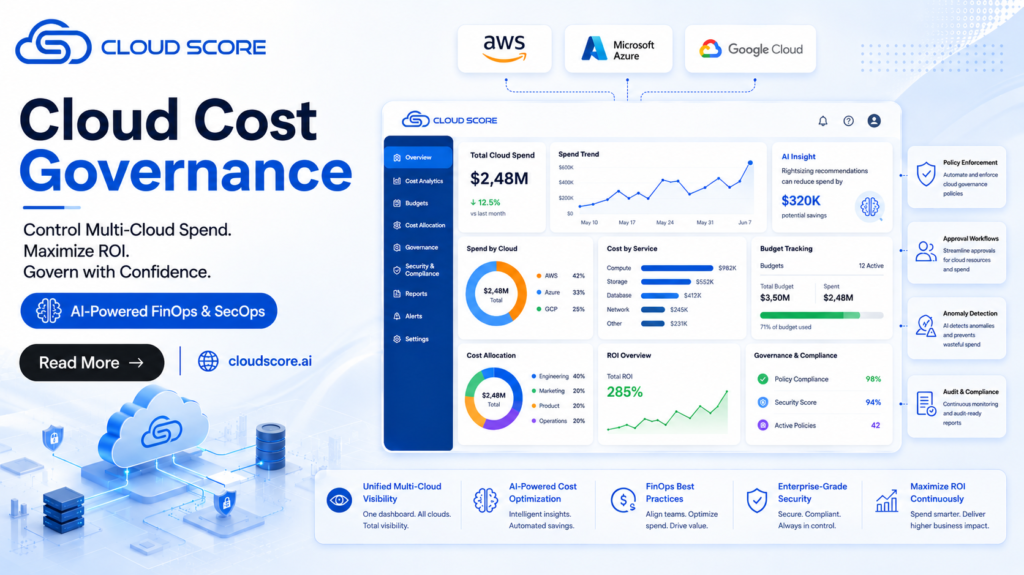
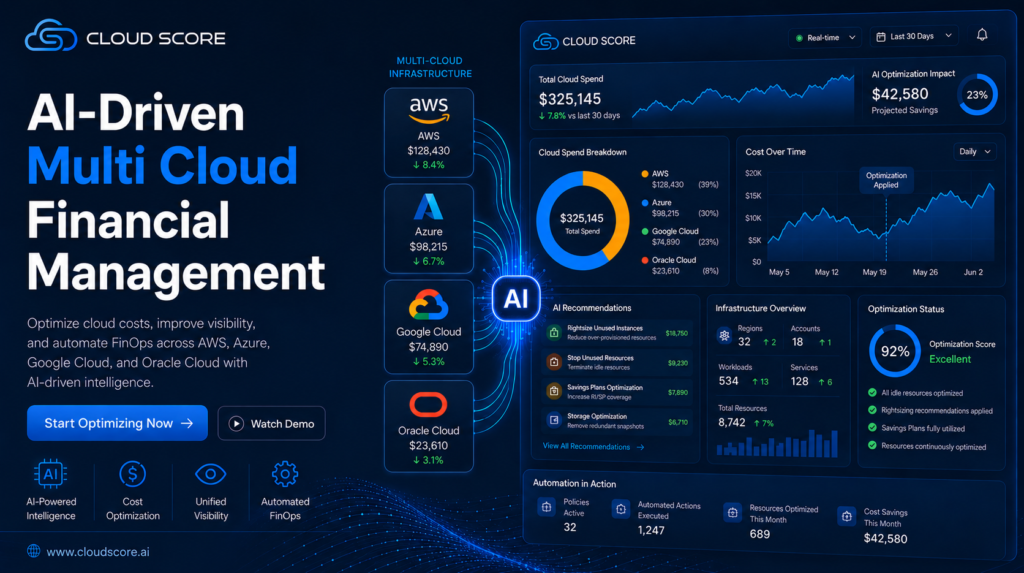
Modern enterprises are rapidly adopting multi-cloud environments to improve scalability, flexibility, and resilience. However, managing cloud spending across multiple providers has become increasingly complex. This is where Multi Cloud Financial Management plays a critical role. By combining AI-powered analytics, automation, and centralized visibility, organizations can optimize cloud costs, improve operational efficiency, and gain better control over their cloud infrastructure. As businesses expand across AWS, Azure, Google Cloud, and Oracle Cloud environments, traditional cost management methods are no longer enough. Companies now require intelligent financial operations that provide real-time insights, forecasting, governance, and optimization across all cloud platforms. What Is Multi Cloud Financial Management? Multi Cloud Financial Management is the process of monitoring, analyzing, optimizing, and governing cloud spending across multiple cloud providers through a centralized platform. It helps organizations: Track cloud usage across environments Identify unnecessary spending Allocate costs accurately Improve budgeting and forecasting Automate optimization decisions Enhance governance and compliance Instead of managing each cloud separately, enterprises gain a unified financial view of their entire cloud ecosystem. Why Traditional Cloud Cost Management Fails Many organizations still rely on manual reporting, disconnected dashboards, and reactive optimization strategies. This creates several major challenges: Limited Visibility Different cloud providers generate separate billing structures and usage metrics, making it difficult to gain a unified cost overview. Cloud Waste Unused resources, idle workloads, overprovisioned instances, and abandoned storage can significantly increase monthly cloud expenses. Poor Forecasting Without AI-driven analysis, predicting future cloud spending becomes inaccurate and inconsistent. Slow Decision-Making Finance, DevOps, and engineering teams often work in silos, delaying optimization efforts and reducing operational efficiency. The Role of AI in Multi Cloud Financial Management AI transforms cloud financial management from reactive monitoring into proactive optimization. Modern AI-powered platforms can: Detect cost anomalies instantly Predict future cloud spending trends Recommend optimization opportunities Identify inefficient workloads Automate resource rightsizing Improve cloud budgeting accuracy AI helps organizations make faster and smarter cloud optimization decisions without relying entirely on manual analysis. Key Benefits of AI-Driven Multi Cloud Financial Management 1. Unified Multi-Cloud Visibility Organizations can monitor AWS, Azure, Google Cloud, Oracle Cloud, and hybrid environments from a single dashboard. This improves: Cost transparency Operational visibility Financial accountability Resource tracking 2. Intelligent Cost Optimization AI continuously analyzes usage patterns and identifies opportunities to reduce unnecessary spending. Examples include: Rightsizing underutilized instances Eliminating idle resources Optimizing storage usage Improving reserved instance planning 3. Real-Time Cost Monitoring Instead of waiting for monthly billing reports, enterprises receive real-time cloud spending insights and anomaly alerts. This allows teams to respond quickly before costs escalate. 4. Advanced Forecasting and Budgeting Machine learning models analyze historical cloud usage trends to improve financial forecasting and budget planning. Organizations can: Predict future cloud expenses Create smarter budgets Reduce financial uncertainty Improve FinOps planning 5. Better Governance and Compliance AI-driven governance policies help organizations maintain operational control while supporting compliance initiatives. This includes: Cost allocation policies Access governance Budget enforcement Usage monitoring Why FinOps Teams Need Multi Cloud Financial Management FinOps teams are responsible for balancing cloud innovation with financial efficiency. As cloud environments grow, manual cost tracking becomes unsustainable. Multi Cloud Financial Management helps FinOps teams: Align engineering and finance teams Improve accountability Optimize cloud ROI Reduce waste Increase operational efficiency By integrating AI-driven insights, organizations can move toward continuous cloud optimization rather than periodic cost reviews. How CloudScore Simplifies Multi Cloud Financial Management CloudScore provides an engineering-first approach to AI-powered FinOps and cloud intelligence. The platform helps enterprises: Gain unified multi-cloud visibility Detect cloud cost anomalies Optimize Kubernetes and cloud workloads Improve forecasting accuracy Automate cloud financial operations Strengthen governance and compliance CloudScore combines FinOps and SecOps intelligence into a centralized platform designed for modern cloud operations. Best Practices for Smarter Cloud Optimization Centralize Cloud Visibility Use a unified platform to monitor all cloud providers in one place. Implement AI-Driven Automation Automate repetitive optimization tasks to improve operational efficiency. Track Cost Allocation Assign cloud spending accurately across teams, projects, and business units. Monitor Anomalies Continuously Detect unexpected cloud cost spikes before they impact budgets. Align Engineering and Finance Teams Encourage collaboration between technical and financial stakeholders to improve decision-making. The Future of Multi Cloud Financial Management Cloud infrastructure complexity will continue increasing as organizations adopt hybrid cloud, Kubernetes, AI workloads, and distributed systems. Future-ready enterprises will rely on: AI-driven optimization Predictive financial intelligence Automated governance Real-time cloud analytics Integrated FinOps and SecOps strategies Organizations that adopt intelligent Multi Cloud Financial Management platforms early will gain stronger financial control, better scalability, and improved cloud efficiency. Transforming Cloud Operations With AI-Driven FinOps Managing cloud costs across multiple providers is no longer a simple operational task. It has become a strategic business priority. AI-driven Multi Cloud Financial Management enables enterprises to optimize spending, improve visibility, automate operations, and strengthen governance across complex cloud environments. As cloud adoption continues to grow, businesses that invest in smarter cloud financial management solutions will be better positioned to scale efficiently, reduce waste, and maximize cloud ROI. Optimize multi-cloud costs, automate FinOps, and gain real-time cloud intelligence with CloudScore  Request a Demo | Start Your Free Trial | Contact Our Experts  See More Blogs: AI-Powered FinOps Platform | Cloud Cost Anomaly Detection Platform | Cloud Cost Reduction | Multi Cloud Cost Intelligence | Multi Cloud Cost Visibility | Cloud Cost Optimization Platform | CloudOps Cost Optimization | Cloud Security Posture Management | Cloud Intelligence Platform | DevOps Environment Sprawl | FinOps Cloud Cost Ownership | FinOps and SecOps Convergence | DevOps Cloud Cost Visibility | Code Scan | Power Schedules | Multi Cloud Cost Optimization | Untagged Cloud Resources | Best Cloud Governance Solutions | SecOps & FinOps Cloud Governance | AI-Driven FinOps | AI Cloud Cost Optimization | Smart Cost Management | Simplify Cloud Costs | Automated FinOps Platform | Multi-Cloud Spend | Cost Efficiency | Cloud Security | Dynamic Optimization | Seasonality Insights | Cloud Governance | Sustainability Reporting | Cloud Infrastructure | Predictive Analytics | Integrating FinOps | Forecasting | Automated Cost Management | Cloud Cost Optimization  

FinOps Platform for Cloud Cost Optimization
Uncategorized

AI Powered FinOps Platform: The Future of Cloud Cost Optimization

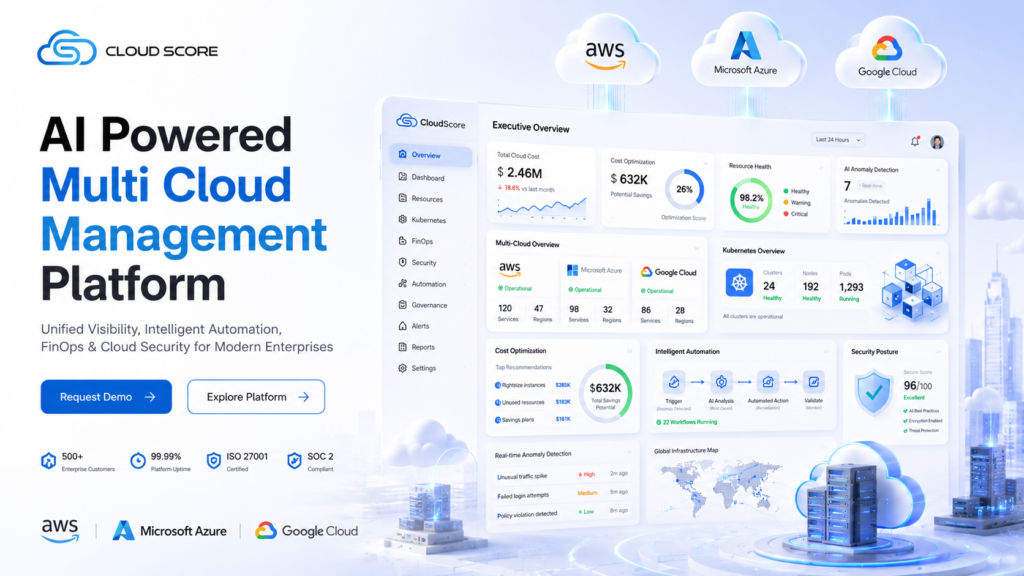
Cloud spending is growing faster than most businesses can control. As organizations scale across AWS, Azure, Google Cloud, Kubernetes, and SaaS ecosystems, managing cloud costs manually becomes inefficient and risky. An AI Powered FinOps Platform is transforming how enterprises monitor, optimize, forecast, and govern cloud infrastructure expenses in real time. Traditional cloud cost management tools only provide visibility. Modern AI-driven FinOps platforms go beyond dashboards – they deliver intelligent recommendations, predictive analytics, anomaly detection, automation, and engineering-level optimization. Businesses are no longer looking for static reports. They need proactive systems that continuously reduce waste and maximize cloud efficiency. Why Traditional Cloud Cost Management Fails Most organizations face common cloud cost challenges: Unused or idle resources Overprovisioned compute instances Kubernetes cost sprawl Lack of visibility across teams Sudden billing spikes Manual optimization processes Poor forecasting accuracy No accountability across departments As cloud environments become more complex, spreadsheets and basic monitoring tools cannot keep up with dynamic infrastructure demands. This is where AI-powered FinOps changes the game. What is an AI Powered FinOps Platform? An AI Powered FinOps Platform combines cloud financial management with artificial intelligence and automation to optimize infrastructure spending continuously. It helps organizations: Monitor multi-cloud environments Detect anomalies instantly Predict future cloud expenses Optimize workloads automatically Improve resource utilization Enable cost accountability Align engineering with finance teams Instead of reactive cost management, businesses gain a predictive and automated optimization system. Core Features of an AI Powered FinOps Platform 1. Real-Time Cloud Cost Visibility AI-powered platforms provide centralized visibility across: AWS Microsoft Azure Google Cloud Kubernetes SaaS platforms Teams can track spending by: Departments Projects Teams Applications Business units Environments This eliminates cost blind spots and improves financial transparency. 2. AI-Based Cost Optimization Artificial intelligence continuously analyzes usage patterns and identifies: Idle resources Unused storage Overprovisioned instances Underutilized workloads Rightsizing opportunities The platform then recommends or automates optimization actions to reduce unnecessary spending. 3. Intelligent Anomaly Detection Unexpected cloud spikes can destroy budgets quickly. AI models monitor cloud behavior 24/7 and instantly detect: Abnormal usage increases Security-related cost spikes Misconfigured services Runaway workloads Resource abuse This allows teams to respond before costs escalate. 4. Predictive Forecasting Forecasting cloud costs manually is nearly impossible in dynamic environments. AI-driven forecasting uses: Historical spending Seasonal trends Resource scaling patterns Engineering deployments to predict future cloud expenses accurately. Organizations can: Improve budgeting Prevent overspending Plan infrastructure growth Allocate resources efficiently 5. Kubernetes Cost Intelligence Kubernetes environments often become major cost leak zones. An AI-powered FinOps platform provides: Pod-level visibility Namespace cost tracking Cluster optimization Idle workload detection Container resource recommendations This helps engineering teams balance performance and cost efficiency. 6. Automated Governance & Compliance Modern FinOps platforms enforce governance automatically through: Budget alerts Policy automation Resource tagging validation Access governance Compliance monitoring This reduces operational risk while maintaining cloud efficiency. Benefits of Using an AI Powered FinOps Platform Reduce Cloud Waste AI continuously identifies waste across infrastructure and recommends immediate actions. Improve Engineering Efficiency Developers gain visibility into infrastructure costs without slowing innovation. Strengthen Financial Control Finance teams can track and forecast spending more accurately. Enable Multi-Cloud Optimization Organizations operating across multiple cloud providers gain unified visibility and control. Accelerate Decision-Making AI-driven insights eliminate manual analysis and provide actionable recommendations instantly. Why AI is the Future of FinOps Cloud environments generate massive amounts of operational and billing data every second. Humans cannot manually process: Millions of usage metrics Dynamic workloads Real-time scaling events Complex pricing structures Artificial intelligence solves this challenge by automating analysis and optimization continuously. The future of FinOps is: Predictive Automated Intelligent Real-time Engineering-focused Organizations adopting AI-powered cloud operations today gain a significant competitive advantage tomorrow. How CloudScore Helps Businesses Optimize Cloud Costs CloudScore delivers an engineering-first approach to cloud cost optimization and governance. CloudScore combines: AI-driven FinOps Cloud intelligence Kubernetes cost optimization Cost anomaly detection Multi-cloud visibility Automated governance Forecasting and budgeting Security and compliance insights into a unified platform designed for modern cloud-native organizations. The platform helps businesses reduce cloud waste, improve operational efficiency, and gain complete visibility across complex infrastructures. Outcome Cloud costs will continue increasing as businesses scale digitally. Organizations that rely on manual monitoring and reactive optimization strategies will struggle to maintain efficiency and profitability. An AI Powered FinOps Platform enables businesses to move from reactive cost tracking to intelligent cloud optimization powered by automation and AI. The future of cloud financial management belongs to organizations that combine engineering, finance, automation, and artificial intelligence into one unified strategy. Businesses that adopt AI-driven FinOps today will gain better visibility, stronger governance, faster optimization, and long-term cloud efficiency. Turn cloud cost data into AI-driven optimization and savings.  Request a Demo | Start Your Free Trial | Contact Our Experts  See More Blogs: Cloud Cost Anomaly Detection Platform | Cloud Cost Reduction | Multi Cloud Cost Intelligence | Multi Cloud Cost Visibility | Cloud Cost Optimization Platform | CloudOps Cost Optimization | Cloud Security Posture Management | Cloud Intelligence Platform | DevOps Environment Sprawl | FinOps Cloud Cost Ownership | FinOps and SecOps Convergence | DevOps Cloud Cost Visibility | Code Scan | Power Schedules | Multi Cloud Cost Optimization | Untagged Cloud Resources | Best Cloud Governance Solutions | SecOps & FinOps Cloud Governance | AI-Driven FinOps | AI Cloud Cost Optimization | Smart Cost Management | Simplify Cloud Costs | Automated FinOps Platform | Multi-Cloud Spend | Cost Efficiency | Cloud Security | Dynamic Optimization | Seasonality Insights | Cloud Governance | Sustainability Reporting | Cloud Infrastructure | Predictive Analytics | Integrating FinOps | Forecasting | Automated Cost Management | Cloud Cost Optimization

Cloud Cost Anomaly Detection Platform
Uncategorized

Best Cloud Cost Anomaly Detection Platform for Multi-Cloud Environments

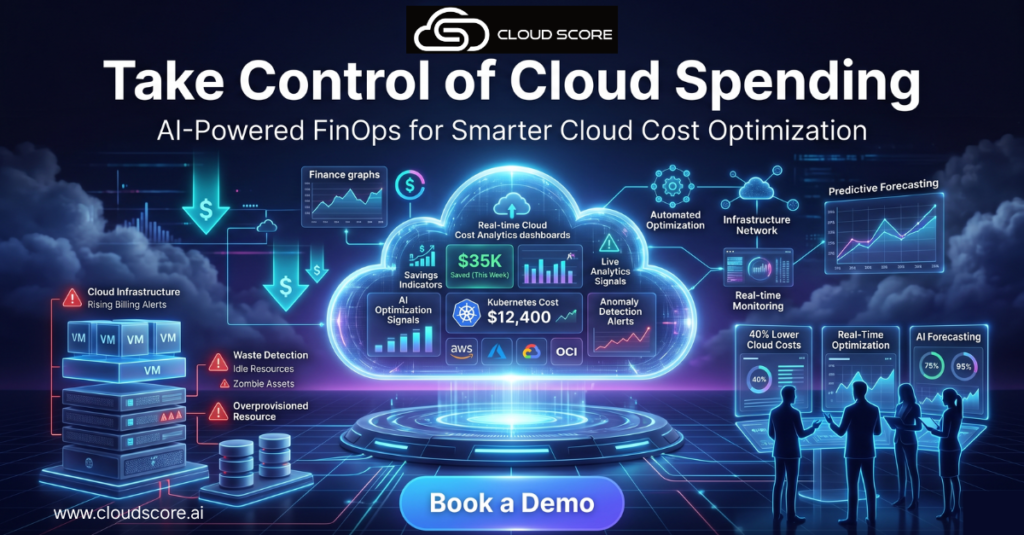
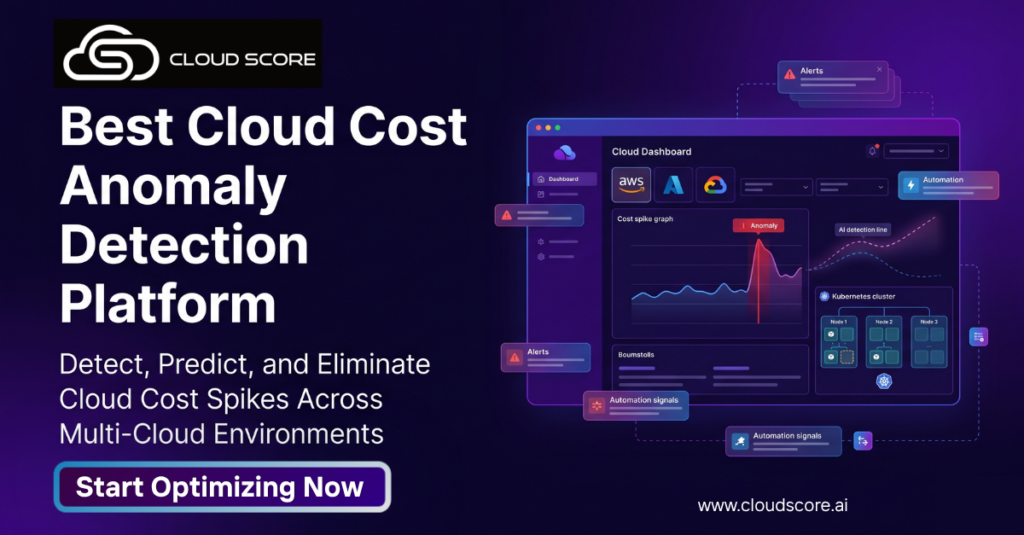
A Cloud Cost Anomaly Detection Platform is no longer optional in multi-cloud environments where AWS, Azure, and GCP costs scale unpredictably. Most teams track usage, but they fail to detect unusual spikes until the bill arrives. That delay is where budgets break. Modern FinOps teams don’t just monitor costs – they detect anomalies in real time, predict future spikes, and take action before waste compounds. The Multi-Cloud Cost Problem No One Solves Properly Multi-cloud gives flexibility – but it also creates fragmented visibility: Costs spread across AWS, Azure, Alibaba, Oracle and GCP Kubernetes and container workloads with dynamic scaling Idle resources hidden in different accounts No unified anomaly detection across environments Traditional dashboards show data. They don’t tell you what’s wrong. What Is a Cloud Cost Anomaly Detection Platform? A Cloud Cost Anomaly Detection Platform identifies unusual spending patterns using machine learning and alerts teams before costs escalate. But the real value isn’t alerts – it’s context + action. A strong platform should: Detect anomalies across all cloud providers Understand usage patterns (not just thresholds) Predict future cost spikes Trigger automated actions or workflows Why Traditional Monitoring Tools Fail Most tools fail because they rely on: Static thresholds (which don’t scale with usage) Delayed reporting Lack of workload-level intelligence No integration with engineering workflows Result?You discover anomalies after the damage is done. Key Features to Look For in the Best Platform If you’re evaluating a Cloud Cost Anomaly Detection Platform, these are non-negotiable: 1. Multi-Cloud Visibility One unified view across AWS, Azure, Alibaba, Oracle and GCP. 2. ML-Based Detection Not rules. Not thresholds.True anomaly detection based on behavior. 3. Kubernetes & Workload Intelligence Container costs are where most hidden waste lives. 4. Real-Time Alerts Immediate detection – not end-of-month surprises. 5. Predictive Cost Forecasting Know what will happen – not just what happened. 6. Automated Actions Slack, Jira, or workflow triggers to fix issues fast. How a Cloud Cost Anomaly Detection Platform Saves 30% Costs Most organizations waste 20–30% of cloud spend due to: Idle compute instances Over-provisioned resources Sudden scaling spikes Misconfigured workloads With anomaly detection: Issues are caught early Teams respond faster Waste is prevented—not just reduced Why Multi-Cloud Needs Intelligence, Not Just Visibility Visibility tells you:👉 “Your cost increased.” Intelligence tells you:👉 “Your Kubernetes cluster scaled abnormally due to X reason and here’s how to fix it.” That’s the difference between reporting and optimization. Where Most Platforms Fall Short Even today, many tools: Focus only on AWS Ignore Kubernetes-level cost anomalies Provide alerts without actionable insights Don’t integrate with engineering workflows This creates friction between FinOps and engineering teams. How CloudScore Solves This Differently CloudScore is built as an engineering-first FinOps + SecOps platform, not just another cost dashboard. It provides: Unified anomaly detection across multi-cloud ML-driven insights with root cause analysis Kubernetes and workload-level intelligence Real-time alerts with Slack/Jira workflows Predictive forecasting and anomaly prevention Unlike traditional tools, CloudScore focuses on actionable intelligence, not just visibility. Outcome A Cloud Cost Anomaly Detection Platform is the missing layer in most FinOps stacks. If you’re still relying on dashboards and manual reviews, you’re already behind. The real question is not:“Do you have visibility?” It’s:“Can you detect and stop cost anomalies before they impact your business?” Stop reacting to cloud cost spikes. Start preventing them.  Request a Demo | Start Your Free Trial | Contact Our Experts  See More Blogs: Cloud Cost Reduction | Multi Cloud Cost Intelligence | Multi Cloud Cost Visibility | Cloud Cost Optimization Platform | CloudOps Cost Optimization | Cloud Security Posture Management | Cloud Intelligence Platform | DevOps Environment Sprawl | FinOps Cloud Cost Ownership | FinOps and SecOps Convergence | DevOps Cloud Cost Visibility | Code Scan | Power Schedules | Multi Cloud Cost Optimization | Untagged Cloud Resources | Best Cloud Governance Solutions | SecOps & FinOps Cloud Governance | AI-Driven FinOps | AI Cloud Cost Optimization | Smart Cost Management | Simplify Cloud Costs | Automated FinOps Platform | Multi-Cloud Spend | Cost Efficiency | Cloud Security | Dynamic Optimization | Seasonality Insights | Cloud Governance | Sustainability Reporting | Cloud Infrastructure | Predictive Analytics | Integrating FinOps | Forecasting | Automated Cost Management | Cloud Cost Optimization

Cloud Cost Reduction
Uncategorized

Cloud Cost Reduction: The 30% Savings Most Teams Miss

Cloud Cost Reduction is no longer optional – it’s a core business priority in 2026. Yet, despite investing in FinOps tools and cost monitoring, most organizations still miss up to 30% in potential savings hidden across their cloud environments. Why? Because traditional optimization approaches focus on surface-level fixes – while the real savings lie deeper, across architecture, usage patterns, and operational inefficiencies. Let’s break down where most teams go wrong and how to fix it. The Illusion of “Optimized” Cloud Spend Most teams believe they’ve optimized cloud costs because they: Enabled basic monitoring dashboards Purchased reserved instances Implemented simple auto-scaling But here’s the problem:These are reactive actions, not strategic cost optimization. Cloud environments today are: Multi-cloud (AWS, Azure, GCP, Alibaba, Oracle) Kubernetes-driven Highly dynamic with AI/ML workloads This complexity creates hidden cost layers that basic tools simply don’t catch. Where the Missing 30% Actually Hides 1. Idle & Underutilized Resources Zombie instances running 24/7 Over-provisioned storage volumes Unused load balancers 👉 These silently drain budgets without visibility. 2. Kubernetes & Container Sprawl Over-allocated CPU/memory Inefficient pod scheduling No namespace-level cost allocation 👉 Kubernetes alone can account for 20–40% cost inefficiency. 3. Multi-Cloud Fragmentation Disconnected billing systems No unified visibility Duplicate services across providers 👉 Without a single view, optimization becomes guesswork. 4. Lack of Cost Ownership No cost accountability per team Poor tagging governance Engineering teams unaware of spend impact 👉 What isn’t owned doesn’t get optimized. Why Traditional Cloud Cost Reduction Fails Most strategies fail because they rely on: Static rules instead of real-time intelligence Manual optimization workflows Siloed FinOps and engineering teams This leads to: Delayed decisions Missed anomalies Continuous overspending The Shift: Intelligent Cloud Cost Reduction Modern cloud cost reduction is no longer about dashboards – it’s about automation + intelligence. High-performing teams now use: AI-driven anomaly detection Predictive cost forecasting Automated rightsizing recommendations Real-time budget alerts integrated with Slack/Jira This is where platforms like CloudScore redefine the game by combining FinOps + Cloud Intelligence + SecOps visibility into one unified system. How to Actually Capture the Hidden 30% in Cloud Costs Step 1: Achieve Full Visibility Consolidate AWS, Azure, GCP data Enable granular cost allocation (team, app, workload) Step 2: Identify Waste Automatically Detect idle, underutilized, and orphaned resources Monitor Kubernetes cost at pod/container level Step 3: Optimize Continuously Implement automated rightsizing Use scheduling for non-prod workloads Apply commitment strategies intelligently Step 4: Align Engineering with Cost Goals Share cost insights with dev teams Integrate cost alerts into workflows Step 5: Move to Predictive FinOps Forecast future spend Prevent overspending before it happens Outcome Cloud cost reduction isn’t about cutting costs – it’s about eliminating inefficiency without slowing innovation. The teams that win in 2026 will not be the ones with the lowest spend –They’ll be the ones with the highest cost intelligence. If you’re still relying on dashboards alone, you’re not optimizing –You’re just observing the problem. Stop guessing your cloud spend – uncover and capture your hidden 30% savings with CloudScore.  Request a Demo | Start Your Free Trial | Contact Our Experts  See More Blogs: Multi Cloud Cost Intelligence | Multi Cloud Cost Visibility | Cloud Cost Optimization Platform | CloudOps Cost Optimization | Cloud Security Posture Management | Cloud Intelligence Platform | DevOps Environment Sprawl | FinOps Cloud Cost Ownership | FinOps and SecOps Convergence | DevOps Cloud Cost Visibility | Code Scan | Power Schedules | Multi Cloud Cost Optimization | Untagged Cloud Resources | Best Cloud Governance Solutions | SecOps & FinOps Cloud Governance | AI-Driven FinOps | AI Cloud Cost Optimization | Smart Cost Management | Simplify Cloud Costs | Automated FinOps Platform | Multi-Cloud Spend | Cost Efficiency | Cloud Security | Dynamic Optimization | Seasonality Insights | Cloud Governance | Sustainability Reporting | Cloud Infrastructure | Predictive Analytics | Integrating FinOps | Forecasting | Automated Cost Management | Cloud Cost Optimization

Uncategorized

What Is Multi Cloud Cost Intelligence? A 2026 Guide for FinOps Leaders

Multi Cloud Cost Intelligence is rapidly becoming the backbone of modern FinOps as organizations scale across AWS, Azure, and GCP. Traditional cost tracking tools are no longer enough – teams need real-time insights, predictive analytics, and automated optimization to control cloud spend effectively. In 2026, the shift is clear: companies that rely only on cost visibility are falling behind, while those adopting Multi Cloud Cost Intelligence are gaining a competitive edge through proactive cost control, governance, and smarter decision-making. What Is Multi Cloud Cost Intelligence? Multi Cloud Cost Intelligence goes beyond simple cost monitoring. It is a data-driven, AI-powered approach to understanding, optimizing, and governing cloud spend across multiple cloud providers. It combines: Real-time cost visibility Usage analytics Predictive forecasting Automated optimization Governance and policy enforcement In simple terms:Visibility tells you what you spent. Intelligence tells you what to do next. Why FinOps Teams Need Cost Intelligence in 2026 Cloud environments are becoming: More distributed More dynamic More expensive Without intelligence, FinOps teams face: Fragmented billing across clouds Lack of accountability by teams Delayed insights (after overspending happens) Inefficient resource utilization Multi Cloud Cost Intelligence solves this by shifting FinOps from reactive → proactive. Key Components of CloudScore Multi Cloud Cost Intelligence 1. Unified Multi-Cloud Visibility A single dashboard across AWS, Azure, Alibaba, Oracle and GCP Eliminates data silos Standardizes cost reporting Enables cross-cloud comparisons 2. Real-Time Cost Monitoring Instead of waiting for monthly bills: Detect anomalies instantly Track live usage spikes Set alerts before overspending 3. AI-Powered Cost Optimization Advanced systems analyze: Idle resources Over-provisioned instances Inefficient workloads And recommend or automate: Rightsizing Scheduling Auto-scaling adjustments 4. Cost Allocation & Tagging Intelligence Allocate costs by team, project, or business unit Enforce tagging policies Improve accountability across engineering teams 5. Predictive Forecasting & Budgeting Forecast future cloud spend Simulate cost scenarios Prevent budget overruns 6. Governance & Policy Enforcement Set budget limits Automate compliance checks Align cloud usage with business goals Multi Cloud Cost Intelligence vs Traditional Cost Management Feature Traditional Cost Tools Cost Intelligence Visibility Basic Advanced, real-time Insights Historical Predictive Optimization Manual AI-driven Governance Limited Automated Actionability Low High Bottom line:Traditional tools report problems.Cost Intelligence prevents them. Real-World Use Cases 1. Preventing Cloud Bill Shock Detect abnormal spikes before billing cycles end 2. Optimizing Kubernetes & Data Workloads Understand workload-level cost drivers 3. Improving Team Accountability Assign cost ownership across departments 4. Multi-Cloud Strategy Alignment Balance workloads across providers based on cost efficiency Benefits for FinOps Teams Reduce cloud waste by 20–40% Improve cost visibility across all providers Enable faster, data-driven decisions Align engineering with financial goals Strengthen governance without slowing innovation How to Implement Multi Cloud Cost Intelligence Follow this execution roadmap: Step 1: Centralize Cost Data Integrate AWS, Azure, Alibaba, Oracle and GCP billing into one platform Step 2: Establish Cost Allocation Define tagging standards and ownership Step 3: Enable Real-Time Monitoring Set alerts for anomalies and thresholds Step 4: Leverage AI & Automation Automate optimization recommendations Step 5: Build Governance Policies Enforce budgets, compliance, and usage rules Common Mistakes to Avoid Relying only on billing dashboards Ignoring real-time monitoring Lack of tagging discipline No automation in optimization Treating FinOps as a reporting function The Future of Multi Cloud Cost Intelligence In 2026 and beyond, expect: AI-driven autonomous optimization Integration with DevOps & SRE workflows Cost intelligence embedded into CI/CD pipelines Real-time decision-making at the engineering level The evolution is clear:From cost tracking → cost intelligence → autonomous FinOps Outcome Multi Cloud Cost Intelligence is no longer optional – it’s a necessity for organizations operating in complex, multi-cloud environments. FinOps teams that adopt intelligence-driven strategies can move from reactive cost management to proactive optimization and governance. The question is no longer “How much are we spending?”It’s “How intelligently are we managing it?”Stop reacting to cloud costs – start controlling them with Multi Cloud Cost Intelligence.  Request a Demo | Start Your Free Trial | Contact Our Experts  See More Blogs: Multi Cloud Cost Visibility | Cloud Cost Optimization Platform | CloudOps Cost Optimization | Cloud Security Posture Management | Cloud Intelligence Platform | DevOps Environment Sprawl | FinOps Cloud Cost Ownership | FinOps and SecOps Convergence | DevOps Cloud Cost Visibility | Code Scan | Power Schedules | Multi Cloud Cost Optimization | Untagged Cloud Resources | Best Cloud Governance Solutions | SecOps & FinOps Cloud Governance | AI-Driven FinOps | AI Cloud Cost Optimization | Smart Cost Management | Simplify Cloud Costs | Automated FinOps Platform | Multi-Cloud Spend | Cost Efficiency | Cloud Security | Dynamic Optimization | Seasonality Insights | Cloud Governance | Sustainability Reporting | Cloud Infrastructure | Predictive Analytics | Integrating FinOps | Forecasting | Automated Cost Management | Cloud Cost Optimization

Multi Cloud Cost Visibility
Uncategorized

What is Multi Cloud Cost Visibility? A Practical Guide for FinOps Teams in 2026

Multi Cloud Cost Visibility is becoming a critical priority for FinOps teams as organizations scale across AWS, Azure, and GCP. Without a unified view of cloud spending, businesses face rising costs, poor accountability, and limited control over their infrastructure. In 2026, managing cloud costs is no longer just about tracking bills – it’s about gaining real-time visibility, enforcing governance, and driving continuous optimization. This guide will help FinOps teams understand how to implement multi cloud cost visibility and turn cloud spending into a strategic advantage. What is Multi Cloud Cost Visibility? Multi Cloud Cost Visibility refers to the ability to track, analyze, and understand cloud spending across multiple cloud providers in a single unified view. Instead of managing separate dashboards, FinOps teams can: Monitor costs across AWS, Azure, and GCP Allocate spending to teams, projects, or environments Identify inefficiencies and cost anomalies Make data-driven financial decisions 👉 The goal is simple:Gain complete transparency to enable better cost control and optimization. Why FinOps Teams Struggle Without Visibility 1. Fragmented Billing Systems Each cloud provider uses different pricing models and reporting formats. 2. Lack of Cost Allocation Without tagging and structure: Costs cannot be mapped accurately Accountability is lost 3. Limited Native Tools Default cloud tools: Work in silos Lack cross-cloud insights 4. Rapid Infrastructure Growth As cloud usage scales: Costs increase unpredictably Waste goes unnoticed 👉 Result: Finance loses control, engineering lacks clarity How to Achieve Multi Cloud Cost Visibility with CloudScore 1. Centralized Cost Dashboard Use a unified platform to: Combine AWS, Azure, and GCP billing data View all costs in one place 2. Implement a Tagging Strategy Tag resources based on: Teams Projects Environments (Dev, Test, Prod) 👉 This ensures accurate cost allocation 3. Enable Real-Time Monitoring Set up: Live dashboards Cost anomaly alerts 👉 Detect unusual spending instantly 4. Cost Allocation & Reporting Break down costs by: Business units Applications Customers 👉 This is essential for FinOps maturity How to Control Cloud Spend Budgeting & Alerts Define spending thresholds and get notified when limits are exceeded. Rightsizing Resources Match resources to actual usage and eliminate over-provisioning. Remove Idle Resources Identify and shut down unused instances and storage. Optimize Commitments Use reserved instances and savings plans for predictable workloads. 👉 These steps can reduce costs by 20–30% How to Optimize Cloud Costs in 2026 AI-Driven Insights Modern platforms provide: Cost anomaly detection Predictive cost forecasting Intelligent recommendations Automation Automation helps: Continuously optimize resources Reduce manual effort Improve efficiency Continuous Optimization Optimization is not one-time. 👉 It must be: Ongoing Data-driven Automated Tools for Multi Cloud Cost Visibility FinOps teams typically use: Native cloud dashboards Third-party cost management tools However, most tools: Lack unified visibility Provide limited automation Focus only on cost, not governance 👉 Modern platforms combine FinOps + governance + intelligence to deliver better outcomes. The Future: Unified FinOps + Governance The next evolution is clear: 👉 Unified platforms that combine cost visibility, optimization, and governance These platforms enable: Real-time cost tracking AI-driven optimization Compliance and security insights Cross-team accountability Key Benefits of Multi Cloud Cost Visibility Complete transparency across cloud environments Reduced cloud waste Better forecasting and budgeting Improved operational efficiency Strong governance and compliance Multi-cloud environments bring flexibility, but without visibility, they create financial complexity. FinOps teams that succeed in 2026 will: Track costs in real time Control spending proactively Optimize continuously with AI 👉 Multi Cloud Cost Visibility is no longer optional – it’s a competitive advantage. Start controlling your cloud costs with CloudScore gain full multi-cloud visibility today.  Request a Demo | Start Your Free Trial | Contact Our Experts  See More Blogs: Cloud Cost Optimization Platform | CloudOps Cost Optimization | Cloud Security Posture Management | Cloud Intelligence Platform | DevOps Environment Sprawl | FinOps Cloud Cost Ownership | FinOps and SecOps Convergence | DevOps Cloud Cost Visibility | Code Scan | Power Schedules | Multi Cloud Cost Optimization | Untagged Cloud Resources | Best Cloud Governance Solutions | SecOps & FinOps Cloud Governance | AI-Driven FinOps | AI Cloud Cost Optimization | Smart Cost Management | Simplify Cloud Costs | Automated FinOps Platform | Multi-Cloud Spend | Cost Efficiency | Cloud Security | Dynamic Optimization | Seasonality Insights | Cloud Governance | Sustainability Reporting | Cloud Infrastructure | Predictive Analytics | Integrating FinOps | Forecasting | Automated Cost Management | Cloud Cost Optimization

Cloud Cost Optimization Platform
Uncategorized

Cloud Cost Optimization Platform: From Cost Visibility to Real Control

Over the last few years, organizations have invested heavily in cloud infrastructure – expecting scalability, flexibility, and efficiency. What they got instead was complexity and rising costs. Most teams today already have dashboards. They can see: Monthly cloud bills Service-wise spending Usage reports Yet despite all this visibility, one problem persists: 👉 Cloud costs continue to rise. Visibility shows you what happened.But it doesn’t give you the ability to control what happens next. The Real Problem Behind Rising Cloud Costs Cloud spending is not driven by finance teams – it’s driven by engineering decisions. Every deployment, scaling action, or architectural choice impacts cost. However, in most organizations: Engineering lacks cost context Finance lacks technical depth Leadership lacks real-time control This creates a gap where: Costs grow silently Inefficiencies go unnoticed Optimization happens too late By the time reports highlight an issue, the spend has already occurred. What a Cloud Cost Optimization Platform Should Actually Deliver A modern Cloud Cost Optimization Platform is not just a reporting tool. It is a system designed to bridge the gap between visibility and action. Real-Time Cost Visibility Across Infrastructure To control costs, you first need complete clarity. This includes: Multi-cloud environments (AWS, Azure, GCP) Kubernetes and container workloads Data pipelines and storage layers Team, service, and environment-level allocation Without this level of granularity, optimization is guesswork. From Insights to Immediate Action Most tools stop at insights.Modern platforms go further. They enable: Rightsizing recommendations based on real usage Detection of idle or underutilized resources Immediate actions to eliminate waste This reduces the delay between problem identification and resolution. Engineering-Led Cost Ownership True optimization happens when engineering teams take ownership of costs. A Cloud Cost Optimization Platform should: Map costs to teams and services Provide actionable insights within engineering workflows Align infrastructure decisions with financial impact This transforms cost management from a finance function into a shared responsibility. Intelligent Automation Forecasting Manual tracking cannot keep up with dynamic cloud environments. Modern platforms introduce: Real-time anomaly detection Budget alerts before overspending Predictive cost forecasting This ensures organizations move from reactive monitoring to proactive control. Why Most Organizations Still Struggle to Optimize Cloud Costs Despite adopting multiple tools, many teams fail to reduce cloud spend effectively. The core reason: 👉 They have visibility without execution. Dashboards highlight problems.Reports explain trends. But without a system that enables action, organizations are left with: Delayed decisions Fragmented workflows Missed optimization opportunities CloudScore: Turning Visibility Into Real Control CloudScore is designed to solve this exact problem. It is a unified Cloud Cost Optimization Platform built for modern, engineering-driven environments. Engineering-First Approach CloudScore is built for the teams that actually influence cloud spend: DevOps Platform Engineering Infrastructure teams This ensures cost optimization happens at the source not after the fact. Unified FinOps + SecOps Platform CloudScore combines: Cost optimization Security insights Compliance visibility All within a single platform. This eliminates the need for multiple disconnected tools and provides complete operational clarity. Deep Cloud Intelligence Modern architectures require deeper insights. CloudScore delivers visibility into: Kubernetes workloads Data and storage usage MLOps environments This enables precise and meaningful optimization. Real-Time Optimization and Automation With CloudScore: Cost anomalies are detected instantly Recommendations are actionable Integrations with Slack and Jira accelerate response This reduces waste before it impacts budgets. Secure, Read-Only Access CloudScore operates with a non-intrusive model: No changes to your infrastructure No operational risk Full visibility and insights You gain control without disruption. The Business Impact of Moving to Real Cost Control Organizations that adopt a true Cloud Cost Optimization Platform experience: Reduced unnecessary cloud spend Improved cost predictability Faster decision-making Better alignment between engineering and finance Cloud becomes not just scalable but financially efficient. The Shift from Visibility to Control Cloud cost management is evolving. The question is no longer:👉 “Can you see your cloud costs?” The real question is:👉 “Can you control them in real time?” A modern Cloud Cost Optimization Platform enables organizations to: Act instantly Optimize continuously Scale efficiently Because in today’s cloud environment, success is not defined by how much you spend— But by how effectively you control it. If your organization is still relying on reports and dashboards, you are only solving half the problem. It’s time to move beyond visibility. Start controlling your cloud costs with CloudScore.    Request a Demo | Start Your Free Trial | Contact Our Experts  See More Blogs: CloudOps Cost Optimization | Cloud Security Posture Management | Cloud Intelligence Platform | DevOps Environment Sprawl | FinOps Cloud Cost Ownership | FinOps and SecOps Convergence | DevOps Cloud Cost Visibility | Code Scan | Power Schedules | Multi Cloud Cost Optimization | Untagged Cloud Resources | Best Cloud Governance Solutions | SecOps & FinOps Cloud Governance | AI-Driven FinOps | AI Cloud Cost Optimization | Smart Cost Management | Simplify Cloud Costs | Automated FinOps Platform | Multi-Cloud Spend | Cost Efficiency | Cloud Security | Dynamic Optimization | Seasonality Insights | Cloud Governance | Sustainability Reporting | Cloud Infrastructure | Predictive Analytics | Integrating FinOps | Forecasting | Automated Cost Management | Cloud Cost Optimization

CloudOps Cost Optimization
Uncategorized

CloudOps Cost Optimization: Optimize AWS, Azure & GCP with CloudScore

What is CloudOps Cost Optimization? CloudOps cost optimization is the process of continuously managing, monitoring, and optimizing cloud infrastructure costs across multi-cloud environments – without slowing down development. It includes: Real-time cost visibility Resource utilization tracking Automated cost controls Engineering-driven decision workflows Unlike traditional FinOps, CloudOps integrates directly into engineering systems – making optimization proactive, not reactive. Why CloudOps Fails in Multi-Cloud Environments 1. Fragmented Visibility Each cloud provider (AWS, Azure, GCP) has its own dashboards, billing logic, and tagging systems. Result: No unified cost intelligence Blind spots in spending 2. Reactive Cost Management Most teams analyze costs after the bill arrives. Result: Delayed decisions Uncontrolled cloud sprawl 3. Lack of Engineering Context Finance tools don’t map costs to: Services Teams Kubernetes workloads Result: Engineers don’t own costs Optimization never scales How CloudScore Transforms CloudOps Cost Optimization CloudScore is built as an engineering-first CloudOps platform, combining FinOps + Cloud Intelligence. Unified Multi-Cloud Cost Visibility CloudScore aggregates cost data across: AWS Azure GCP Outcome: One dashboard for all cloud spend No more siloed reporting ML-Driven Cost Optimization Instead of static reports, CloudScore uses machine learning to: Detect anomalies Recommend optimizations Predict future spend Outcome: Faster decisions Reduced manual analysis Kubernetes & Workload-Level Insights CloudScore connects costs directly to: Kubernetes clusters Containers Microservices Outcome: True cost accountability for engineering teams Granular optimization opportunities Automated Governance & Budget Controls Set rules for: Budget thresholds Cost anomalies Resource usage Outcome: Proactive cost control Reduced overspending Workflow Integration (Slack, Jira) CloudScore integrates directly into your workflow: Alerts in Slack Actions via Jira Outcome: Faster resolution No context switching Key Benefits of CloudOps Cost Optimization with CloudScore 1. Reduce Cloud Spend Without Slowing Innovation Optimize costs while maintaining deployment speed. 2. Engineering-Led Cost Ownership Give developers visibility and accountability. 3. Real-Time Decision Making Move from monthly reports → real-time insights. 4. Unified FinOps + SecOps Approach CloudScore doesn’t just optimize cost—it aligns: Cost Security Compliance CloudOps vs FinOps: What’s the Difference? Aspect FinOps CloudOps Cost Optimization Ownership Finance + Ops Engineering-led Timing Reactive Real-time Focus Cost tracking Cost + performance Tools Billing dashboards Intelligent platforms like CloudScore Who Needs CloudOps Cost Optimization? DevOps teams managing multi-cloud Platform engineering teams CTOs scaling infrastructure FinOps teams lacking engineering visibility Cloud complexity isn’t the problem anymore – lack of control is. When cost visibility is fragmented across AWS, Azure, and GCP, every delayed decision quietly increases waste, risk, and operational drag. CloudOps cost optimization is no longer optional – it’s the foundation of scalable, engineering-led cloud growth.    Request a Demo | Start Your Free Trial | Contact Our Experts  See More Blogs: Cloud Security Posture Management | Cloud Intelligence Platform | DevOps Environment Sprawl | FinOps Cloud Cost Ownership | FinOps and SecOps Convergence | DevOps Cloud Cost Visibility | Code Scan | Power Schedules | Multi Cloud Cost Optimization | Untagged Cloud Resources | Best Cloud Governance Solutions | SecOps & FinOps Cloud Governance | AI-Driven FinOps | AI Cloud Cost Optimization | Smart Cost Management | Simplify Cloud Costs | Automated FinOps Platform | Multi-Cloud Spend | Cost Efficiency | Cloud Security | Dynamic Optimization | Seasonality Insights | Cloud Governance | Sustainability Reporting | Cloud Infrastructure | Predictive Analytics | Integrating FinOps | Forecasting | Automated Cost Management | Cloud Cost Optimization

Cloud Security Posture Management
Uncategorized

How Cloud Security Posture Management Strengthens Modern SecOps

The SecOps Challenge in Cloud-Native Environments  SecOps teams today face an impossible balance:  Secure multi-cloud environments  Enforce compliance  Reduce risk exposure  Avoid slowing DevOps teams  Traditional security models rely on:  Heavy agents  Blocking controls  Manual audits  Siloed tools  In cloud-native environments, this approach creates friction and often gets bypassed.  Why Visibility Matters More Than Control  In modern cloud security, visibility beats enforcement.  Most risks come from:  Misconfigured services  Over-permissioned IAM roles  Forgotten resources  Insecure Kubernetes configurations  Compliance drift over time  Without continuous visibility, SecOps teams only see problems after incidents occur.  How CloudScore Delivers Unified SecOps Visibility  CloudScore SecOps provides continuous security intelligence across:  AWS, Azure, GCP  Microsoft 365  Kubernetes clusters  Identities, roles, and access paths  All with read-only access and zero production risk.  Cortex AI – Your Cloud Security Analyst  CloudScore’s Cortex AI allows security teams to:  Ask security questions in plain English  Automatically prioritize high-risk findings  Correlate IAM risk with assets and workloads  Receive step-by-step remediation guidance  This reduces noise and focuses teams on what actually matters.  Compliance Without the Audit Panic  CloudScore automates compliance for:  SOC 2  ISO 27001 / 27017 / 27018  PCI DSS  HIPAA  CIS Benchmarks  GDPR  Evidence is collected continuously. Reports are audit-ready. Compliance becomes ongoing, not a last-minute scramble.  Security That Respects DevOps Velocity  CloudScore enforces governance through:  Temporary access workflows  Automatic access revocation  Full audit logs  No agents  No infrastructure changes  Security improves – without blocking engineering.  Start securing your cloud environment with CloudScore’s intelligent Cloud Security Posture Management.    Request a Demo | Start Your Free Trial | Contact Our Experts  See More Blogs: Cloud Intelligence Platform | DevOps Environment Sprawl | FinOps Cloud Cost Ownership | FinOps and SecOps Convergence | DevOps Cloud Cost Visibility | Code Scan | Power Schedules | Multi Cloud Cost Optimization | Untagged Cloud Resources | Best Cloud Governance Solutions | SecOps & FinOps Cloud Governance | AI-Driven FinOps | AI Cloud Cost Optimization | Smart Cost Management | Simplify Cloud Costs | Automated FinOps Platform | Multi-Cloud Spend | Cost Efficiency | Cloud Security | Dynamic Optimization | Seasonality Insights | Cloud Governance | Sustainability Reporting | Cloud Infrastructure | Predictive Analytics | Integrating FinOps | Forecasting | Automated Cost Management | Cloud Cost Optimization

Cloud Intelligence Platform
Uncategorized

Why Cloud Intelligence Platforms Are Replacing Point Tools

The End of the Point Tool Era  Cloud operations didn’t become complex overnight but tools failed to evolve with them.  Most organizations still manage cloud using:  One tool for cost  One tool for security  One tool for compliance  One tool for monitoring  Spreadsheets for everything else  Each tool sees only part of the system. None connect the dots.  Why Siloed Tools Create Blind Spots  Point tools fail because they:  Don’t share context  Operate on delayed data  Ignore ownership  Treat cost, risk, and usage separately  Increase operational overhead  The cloud doesn’t operate in silos. Tools shouldn’t either.  What a Cloud Intelligence Platform Actually Means  A true cloud intelligence platform:  Unifies cost, usage, ownership, security, and compliance  Operates in real time  Correlates signals across teams  Supports engineering workflows  Reduces tool sprawl  This is the model CloudScore was built for.  How CloudScore Delivers Unified Cloud Intelligence  CloudScore combines:  DevOps Intelligence Visibility across CI/CD-driven environments, Kubernetes workloads, and infrastructure lifecycle.  FinOps Intelligence Real-time cost visibility, ML-powered optimization, budgets, forecasts, and anomaly detection.  SecOps Intelligence CSPM, IAM risk detection, compliance automation, and AI-driven security analysis.  Engineering-First Design Read-only access. No agents. Slack, Jira, and API-native workflows.  From Tools to Systems  CloudScore doesn’t replace tools—it replaces fragmentation.  When cost, security, and governance operate as one system, cloud complexity becomes manageable.  Explore how a Cloud Intelligence Platform simplifies cloud operations.  Request a Demo | Start Your Free Trial | Contact Our Experts  See More Blogs: DevOps Environment Sprawl | FinOps Cloud Cost Ownership | FinOps and SecOps Convergence | DevOps Cloud Cost Visibility | Code Scan | Power Schedules | Multi Cloud Cost Optimization | Untagged Cloud Resources | Best Cloud Governance Solutions | SecOps & FinOps Cloud Governance | AI-Driven FinOps | AI Cloud Cost Optimization | Smart Cost Management | Simplify Cloud Costs | Automated FinOps Platform | Multi-Cloud Spend | Cost Efficiency | Cloud Security | Dynamic Optimization | Seasonality Insights | Cloud Governance | Sustainability Reporting | Cloud Infrastructure | Predictive Analytics | Integrating FinOps | Forecasting | Automated Cost Management | Cloud Cost Optimization

Scroll to Top